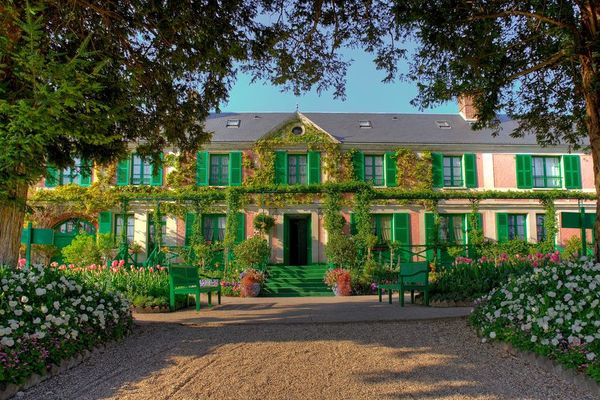
When Art Inspires Architecture: Artists’ Homes That Have Made History.
20.11.2025
When Art Inspires Architecture: Artists’ Homes That Have Made History.
Over the decades, many artists have transformed their homes into much more than mere dwellings: they have become true spaces for creation and reflection. Whether painters, architects, designers, or writers, each has designed unique interiors that not only reflect their personal worlds but also redefine the concept of a creative living space. In this first part of the article, we invite you to discover five iconic artists’ homes—exceptional properties where art and architecture merge to offer an extraordinary living experience. These properties embody the perfect blend of aesthetics and functionality, making each space a living testament to creativity.
1. Georgia O’Keeffe’s Home and Studio – New Mexico, United States
Georgia O’Keeffe (1887–1986) fell in love with New Mexico as early as the 1920s, during her first visits to the region, which would have a profound impact on her work. The dazzling light, desert landscapes, ochre-colored mountains, and endless horizon became a true source of inspiration. Here she found the ideal setting, far from the hustle and bustle of New York, where she could create in a peaceful environment and draw directly from nature to nourish her art.
It was this intimate and profound connection with the landscape that led her to establish two residences in the region—properties that became key elements in her creative process.
Ghost Ranch (purchased in 1940): Nestled amid the red cliffs, this house is a true sanctuary. The atmosphere there is raw and radical: desert, silence, and almost unreal colors. It was in this extreme environment that many of O’Keeffe’s major works came to life, with the spectacular landscape serving as her muse. This residence thus offers a unique vision of architecture, where the natural setting becomes an extension of the artist.
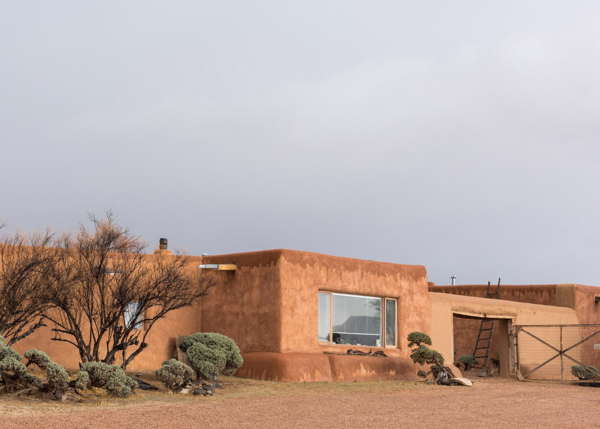
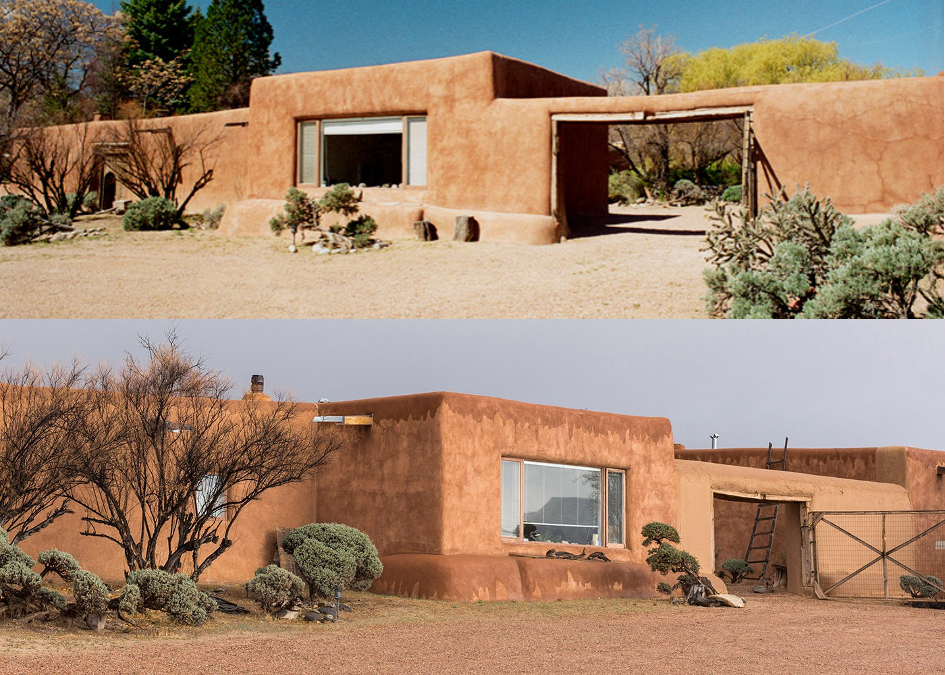
The Abiquiú House (purchased in 1945, restored through 1949): This is her most iconic property. Originally in ruins, O’Keeffe undertook a meticulous restoration that would last several years. While preserving the traditional adobe architecture (a traditional building style of the southwestern United States, Mexico, and many desert regions), she added her own modernist touch: large open spaces, pristine walls, smooth concrete floors, and an abundance of natural light. Every element of this house was designed with a special focus on harmony and simplicity. The windows serve as natural frames, offering an uninterrupted view of New Mexico’s spectacular landscape and transforming the panorama into a work of art.
A pivotal place in her body of work: O’Keeffe lived and worked in these two houses until the end of her life. It was in these spaces that she painted:
The Pedernal Mountains, which she considered almost “her own,”
The dark, geometric gates of Abiquiú,
The bleached bones found in the desert,
The arid landscapes bathed in brilliant light.
In other words, without these properties and their unique surroundings, her art would undoubtedly lack the same depth.
Legacy: Today, the Abiquiú house is open to the public and remains an iconic destination for lovers of art, design, and architecture. It perfectly embodies O’Keeffe’s contemporary vision, combining minimalism, authenticity, and harmonious integration with nature. A true example of an artist’s residence, where architecture and landscape come together to offer a unique immersive experience.
2. Salvador Dalí’s House – Portlligat, Spain
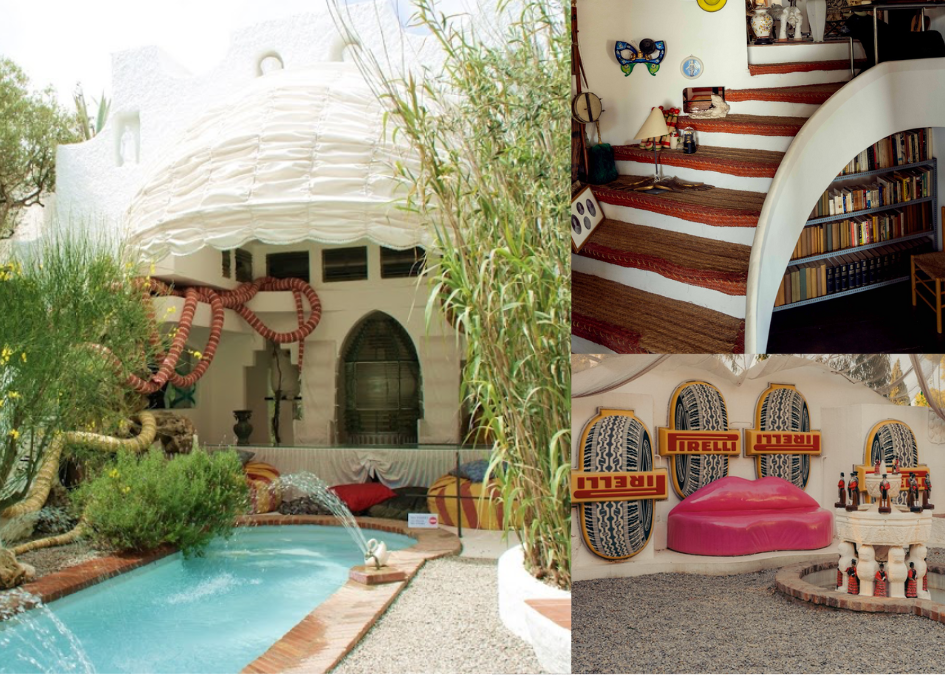
In Portlligat, a small fishing village on the northeastern coast of Spain, Salvador Dalí (1904–1989) transformed an old fisherman’s hut into a unique property, part private residence and part art studio. This house would become his home for more than 50 years—a true work of art in which every space embodies the artist’s creative vision.
A space shaped by the artist: Every corner of this house bears witness to Dalí’s world: irregular walls, spiral staircases, rooms with surprising shapes, and windows offering spectacular views of the sea. The artist adapted this property to his specific artistic needs: the studio coexists with more intimate spaces dedicated to his daily life. This house, a true fusion of art and architecture, perfectly reflects Dalí’s soul.
Originality and whimsy: The house combines traditional Mediterranean architecture with surrealist elements characteristic of Dalí. This blend of styles makes the property a truly unique place.
A Living Museum: Every everyday object is reimagined and transformed into a source of inspiration or a work of art. Every piece of furniture, every frame, and every space has been designed to nurture the artist’s creativity, making this an exceptional property where art permeates every square centimeter.
Connection to the Landscape: The house opens onto the sea and the light of Cap de Creus, offering the painter a unique panorama that directly influenced many of his works. This seamless integration with the natural landscape is a major asset of the property, deeply connecting it to its surroundings.
Legacy: Today, the house is open to the public as a museum, allowing visitors to discover Dalí’s life and creativity in a setting that seems straight out of his imagination. This property is a perfect example of how a residence can become a work of art in its own right, blending architecture, the natural environment, and artistic personality. Dalí’s house is a place where real estate and art converge to create a vibrant and inspiring space that continues to captivate art and architecture enthusiasts.
3. Maison La Roche – Paris, France
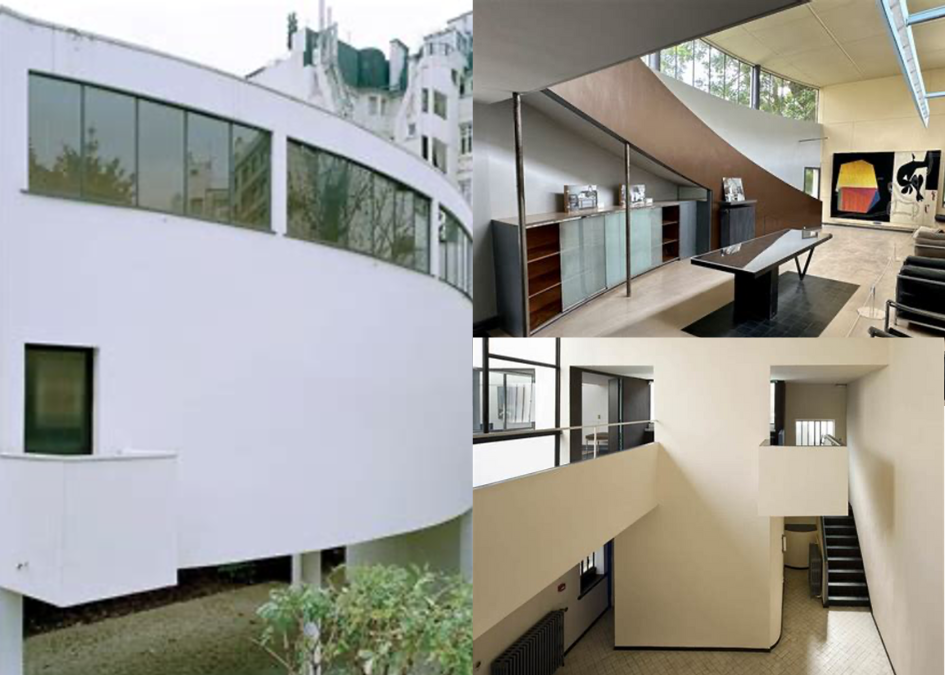
Designed by Le Corbusier in collaboration with Pierre Jeanneret between 1923 and 1925 for the art collector Raoul La Roche, Maison La Roche is more than just a residence: it is an exceptional property, a total work of art where architecture, art, and everyday life coexist harmoniously. This avant-garde project aimed to create a space where living and an art gallery converge, thereby redefining the concept of “home” through a unique approach.
A space designed for art: Every element of this house embodies Le Corbusier’s modern vision: exposed concrete, large floor-to-ceiling windows, stilts, and clean-lined volumes. These architectural choices are not only aesthetic but also functional, creating a true living work of art. The spaces were meticulously designed to showcase Raoul La Roche’s modern art collection while remaining perfectly suited to everyday life, transforming this property into a place where art is experienced at every moment.
Avant-garde architecture: Clean lines, abundant natural light, geometric volumes, and a remarkable sense of spatial flow. This visionary design makes Maison La Roche a model of modernity in the field of architecture.
Harmony between art and daily life: This residence stands out for its dual role as both an art gallery and a living space. Art is seamlessly integrated into everyday life, allowing residents to live surrounded by beauty while remaining in a functional environment.
A unique sensory experience: The layout of the rooms, the transitions between indoor and outdoor spaces, and the visual perspectives create a constant dialogue between the architectural structure and the artwork, offering an immersive experience that transcends the simple notion of a “home” to become a place for living and contemplation.
Legacy: Today, Villa La Roche is a museum managed by the Le Corbusier Foundation. This iconic property is a UNESCO World Heritage Site and illustrates how a building can become a living embodiment of modern art. Every detail, from floor to ceiling, is designed as an extension of its architect’s creativity. This house continues to inspire architects, artists, and art enthusiasts, and remains a striking example of how a building can blend art, architecture, and functionality to create a space of rare beauty and great historical value.
4. Casa Malaparte – Capri, Italy
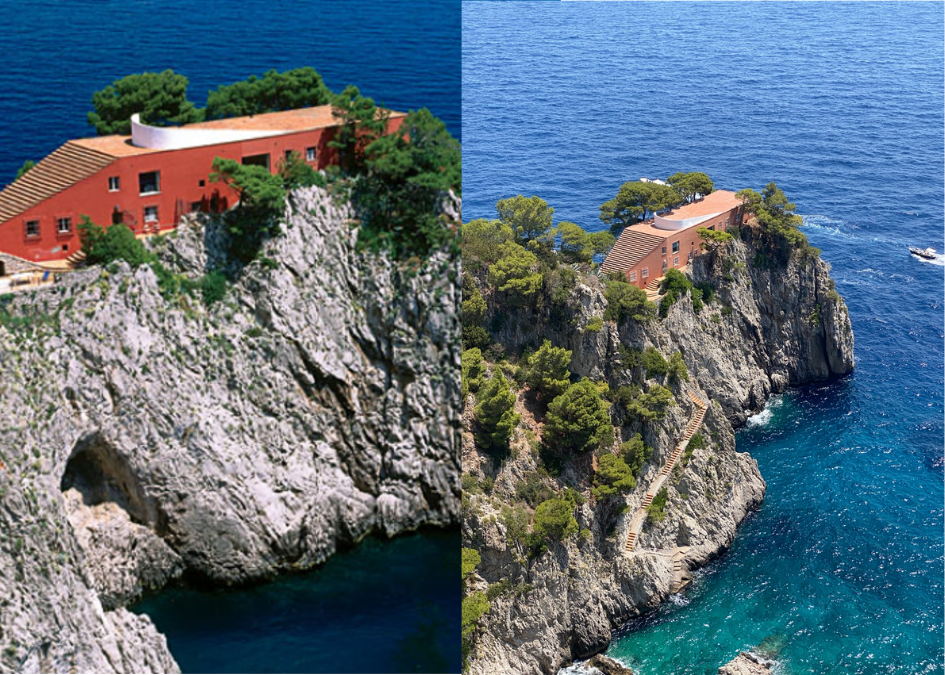
Perched on a cliffside on the island of Capri, Casa Malaparte is not just a Mediterranean villa: it is an iconic property, an architectural masterpiece in its own right that embodies the unique vision of Curzio Malaparte, the Italian writer and intellectual. Designed in the 1930s, this property blends modernism and minimalism while blending harmoniously into the stunning Mediterranean landscape, offering spectacular views of the sea.
A space shaped by the artist: Malaparte meticulously thought through every detail of this residence, from the interior layout to the inverted staircase leading to the rooftop terrace, thus creating a place where architecture and daily life blend seamlessly in a constant dialogue with nature. The villa’s local materials, vibrant colors, and simple forms reinforce this sense of a fluid living space, where each room seems to open onto the surrounding landscape.
Iconic Architecture: Clean lines, a striking red facade, bold geometric forms, and a rooftop terrace overlooking the sea create a unique atmosphere. This minimalist design makes Casa Malaparte a property that transcends the simple notion of a home to become an architectural symbol.
Blending with the Landscape: This villa seems to literally emerge from the rock, with incredible panoramic views unfolding from every room and terrace. The house blends seamlessly into its surroundings, offering breathtaking views of the sea, making it a highly sought-after property for both its architecture and its exceptional location.
Inspiration and Solitude: Designed as a personal retreat, Casa Malaparte embodies its owner’s creative solitude while showcasing architectural boldness. The space was conceived to foster introspection and inspiration, transforming this villa into a unique living environment perfectly suited to a life dedicated to reflection and art.
Legacy: Today, Casa Malaparte is not only a symbol of modern Italian architecture but also a prestigious property admired by enthusiasts of art, design, and architecture. This unique property perfectly embodies how a home can be transformed into a total work of art, where the architect’s creative vision merges with the surrounding natural landscape to create an extraordinary space. Casa Malaparte continues to fascinate and inspire, both through its architectural boldness and the depth of its surroundings, making every visit an exceptional sensory experience.
5. Casa Batlló – Barcelona, Spain
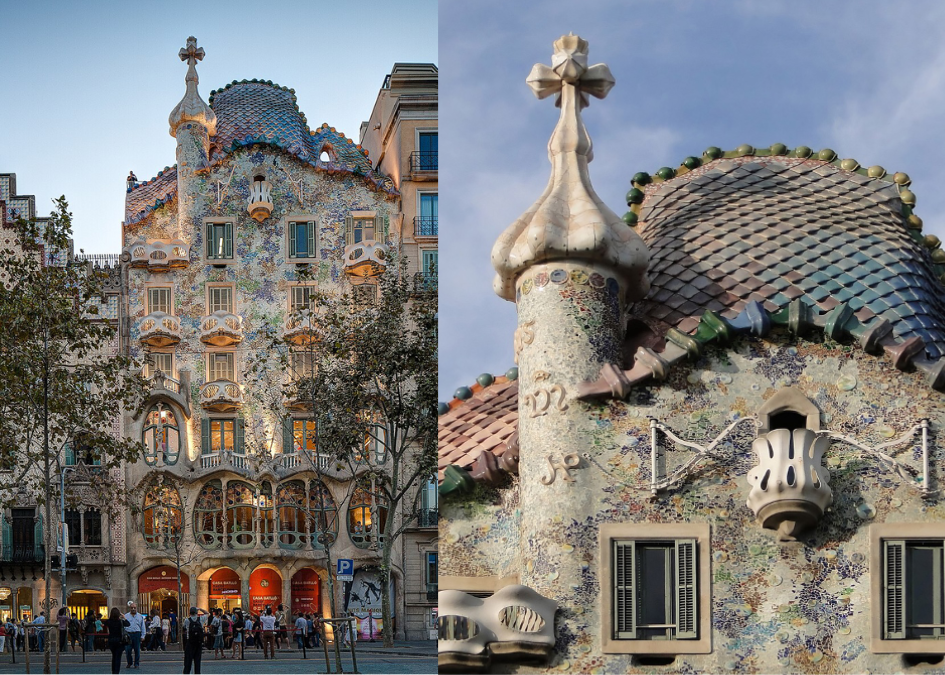
In the heart of Barcelona, Casa Batlló—designed by Antoni Gaudí between 1904 and 1906—is more than just a house: it is an exceptional building, a living work of art where every detail reflects the architect’s inventiveness and imagination. This Modernist residence, transformed for a wealthy owner, embodies Gaudí’s ability to fuse functionality, architecture, and sculpture, redefining the very concept of a “home” and an artistic residence.
A space shaped by the imagination: The undulating forms of the façade, the mask-shaped balconies, and the sculptural chimneys transform Casa Batlló into a unique architectural space, where fantasy blends with everyday life. The interior, bright and organic, is designed as an extension of the natural and marine forms that Gaudí particularly loved, offering an immersive sensory experience that goes far beyond the simple function of a home.
Organic Architecture: No right angle is left to chance; everything is designed to create a fluid, living space where each element seems to unfold naturally within its surroundings. This approach makes Casa Batlló an iconic example of Catalan Modernism.
Colors and Light: Colorful mosaics, stained-glass windows, and natural textures interact with natural light, transforming each room into a living painting. The house thus becomes a structure that captures and magnifies light, creating unique atmospheres in every corner.
An Artistic Manifesto: Casa Batlló embodies Gaudí’s philosophy that a home should be a total work of art. Every object, every volume, every surface is designed as an extension of his creative vision, making every corner of this property an extension of the architect’s imagination.
Legacy: Today, Casa Batlló is an iconic museum of Catalan Modernism and one of the most visited properties in the world. It continues to attract art and architecture enthusiasts, who are fascinated by the way this house has transcended the boundaries of a mere dwelling to become a complete artistic universe. This property demonstrates how a residence can blend imagination, design, and everyday life, offering a unique experience where art and architecture come together to create an extraordinary living space.
These five artists’ homes perfectly illustrate how a home can transcend its function as a mere residence to become a true work of art. Whether it’s the infinite light of the desert that inspired Georgia O’Keeffe, the bold Mediterranean retreat of Casa Malaparte, Le Corbusier’s modernist perfection, Gaudí’s organic fantasy, or the fisherman’s cottage transformed by Salvador Dalí in Portlligat, each of these properties reveals the creative intimacy of its occupant and turns real estate into a vehicle for artistic vision.
Beyond the walls and materials, what makes these properties exceptional is the way architecture, interior design, and landscape interplay to fuel inspiration and enrich daily life. This first installment reminds us that some homes are not merely places to live, but unique spaces where art, personality, and imagination merge to create unforgettable experiences.
In the next installment, we’ll continue our exploration through other artists’ homes—each one unique, fascinating, and a testament to creativity in all its forms—offering a real estate journey into the heart of art and architecture.