Montpellier's “folies”: heritage gems and a timeless way of life
04.02.2026
Montpellier’s Folies: 18th-Century Art de Vivre on the City’s Outskirts
In Montpellier, certain mansions alone tell the story of a century’s prosperity and elegance.
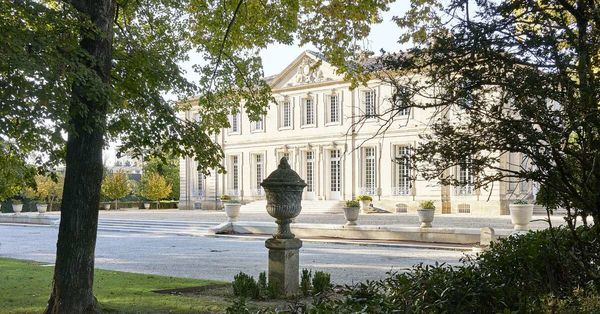
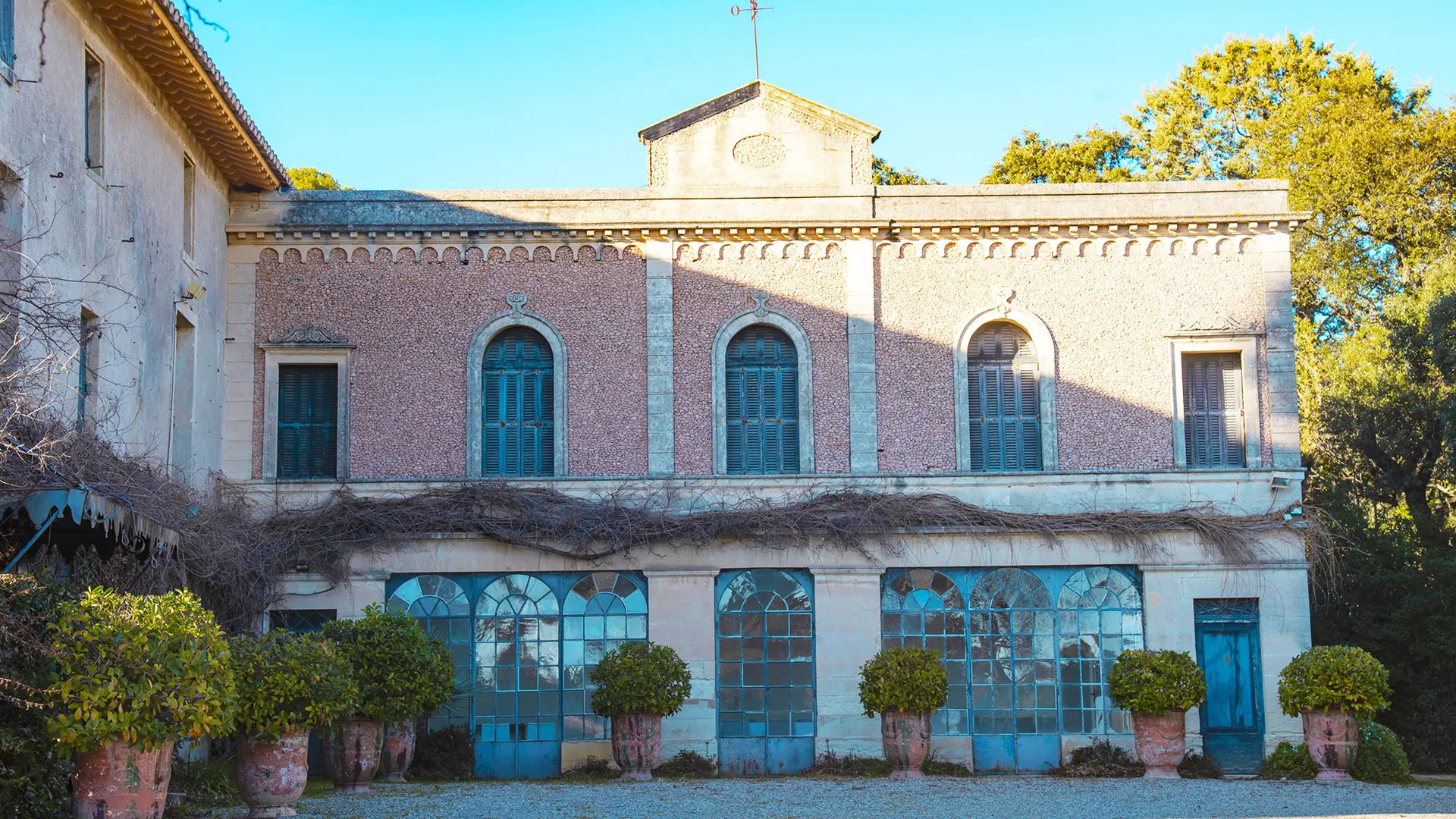
Montpellier’s “folies” are not mere castles: they embody the art of living of an enlightened 18th-century elite, blending architectural refinement, meticulously designed gardens, and a desire for grandeur.
Built primarily between the late 17th and late 18th centuries, these country estates sprang up in the countryside surrounding the city. At the time, Montpellier was experiencing considerable economic growth thanks to trade and viticulture. Wealthy merchants, magistrates, and prominent figures commissioned the construction of elegant residences to entertain guests, retreat from the hustle and bustle of the city, and assert their social success.
The term “folie” thus refers to a country house dedicated to pleasure, hospitality, and aesthetic beauty.
A Codified and Refined Architectural Style
Montpellier’s folies adhere to precise architectural codes:
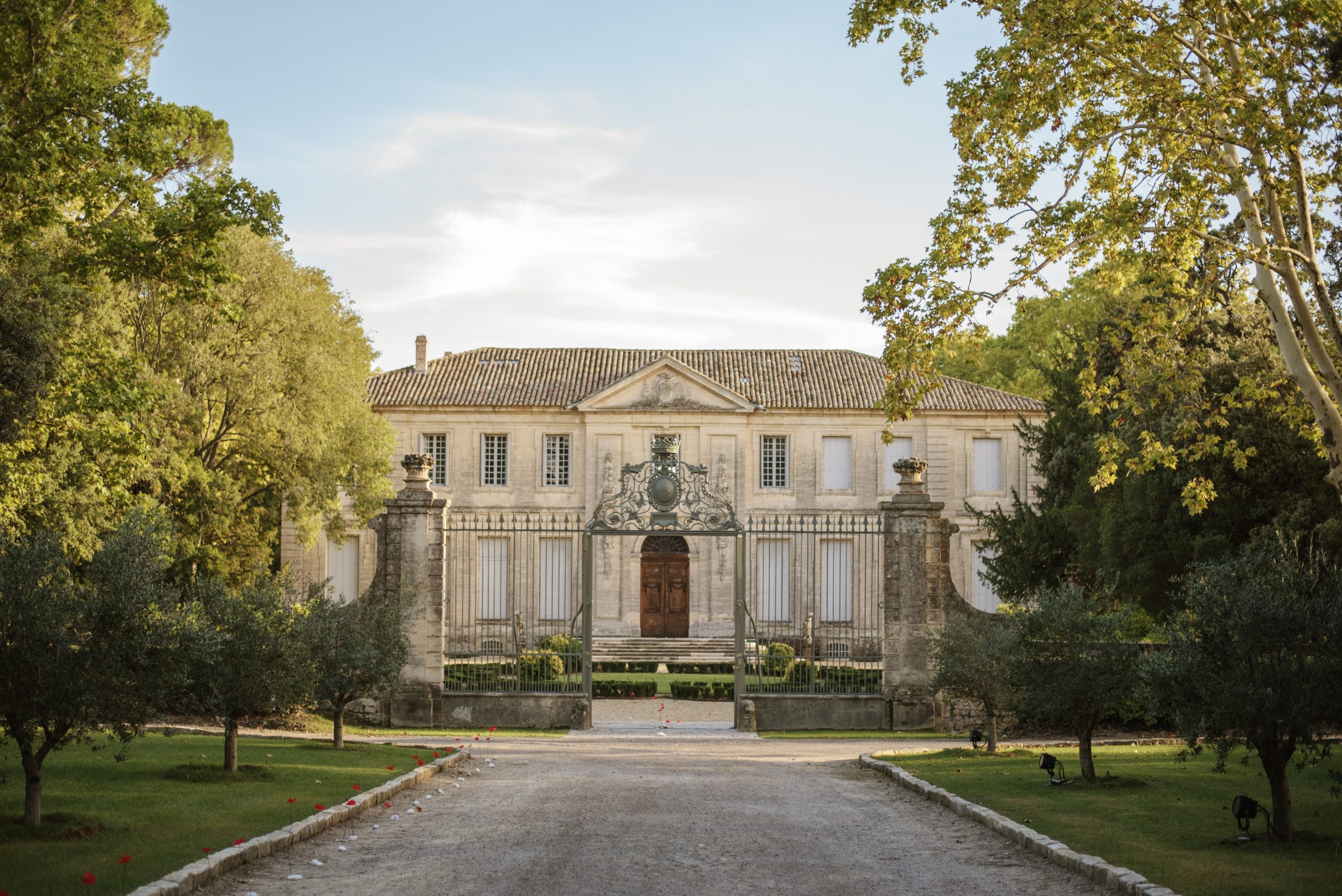
A symmetrical and harmonious facade
A central section highlighted by a pediment or a staircase
Tall windows that let in Mediterranean light
Double-height living rooms
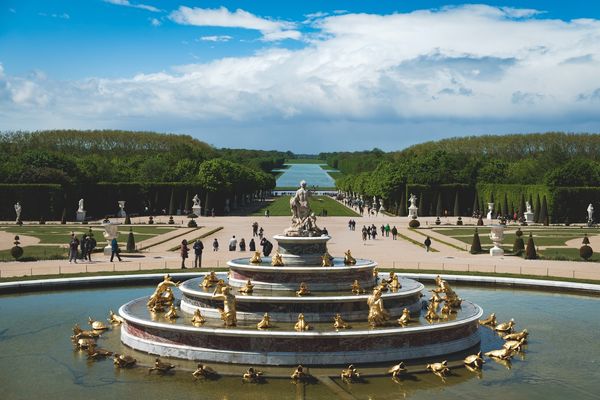
A structured landscaped park, sometimes featuring ponds, statues, or tree-lined paths
These residences are designed as settings for receptions.
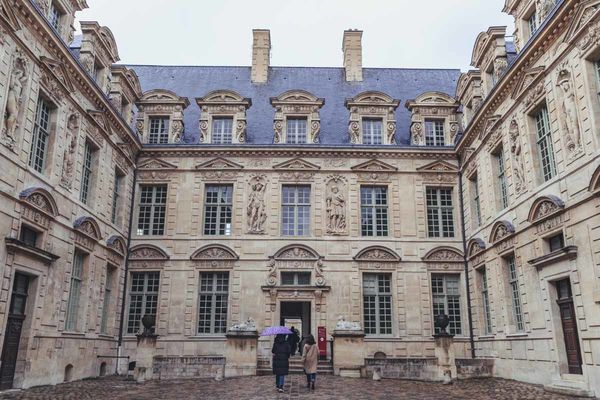
Every element—from monumental staircases and moldings to ironwork and painted ceilings—contributes to a display of prestige.
Château de Flaugergues
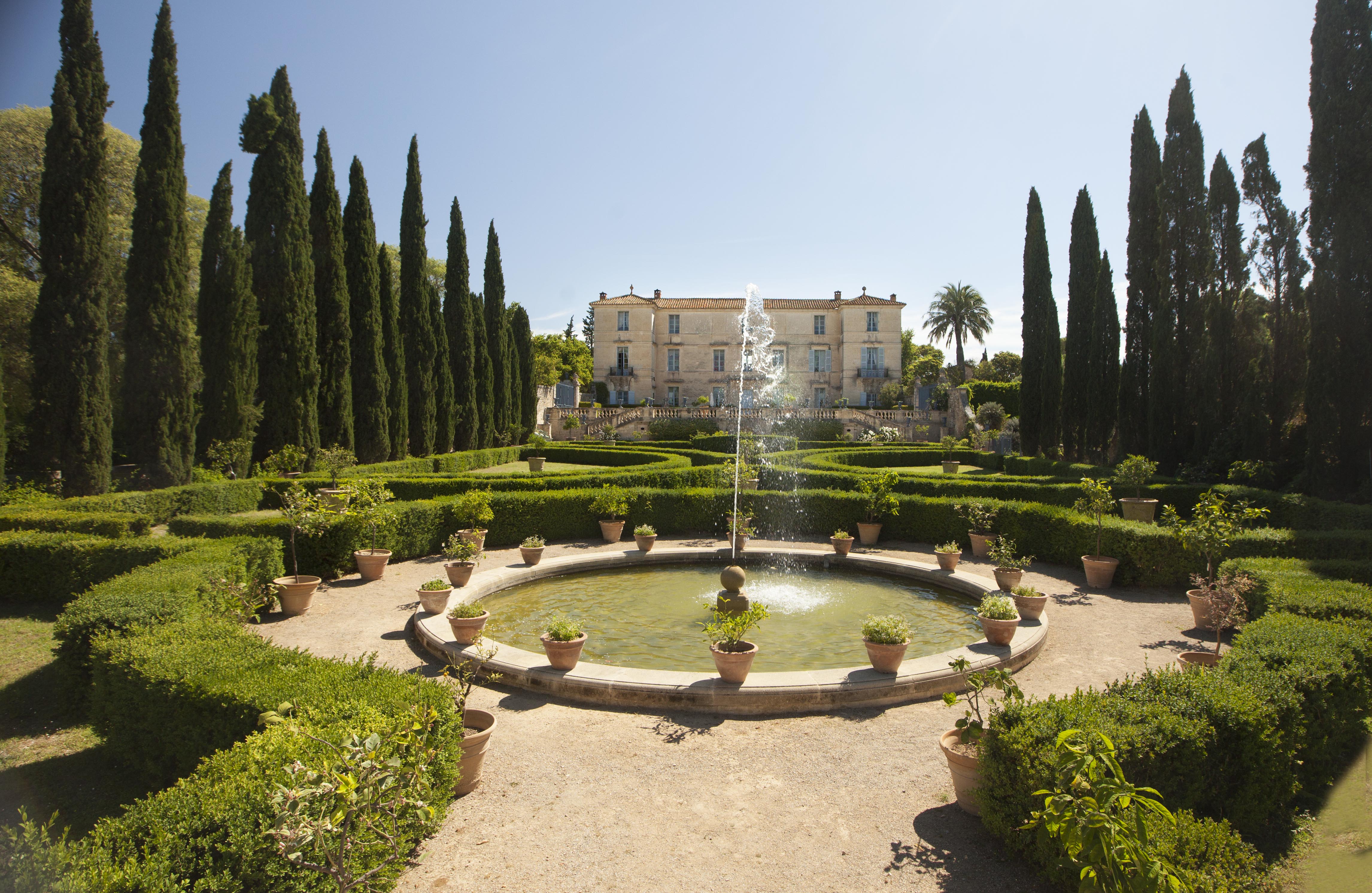
Built in the late 17th century, the Château de Flaugergues is one of Montpellier’s most iconic “folies.”
Still inhabited by the same family since its construction, it stands out for its elegant classical façade and French-style gardens. The estate also maintains a wine-growing operation, staying true to Montpellier’s tradition.
Flaugergues perfectly illustrates the historical continuity and preservation of a way of life passed down through the centuries.
Château de la Mogère
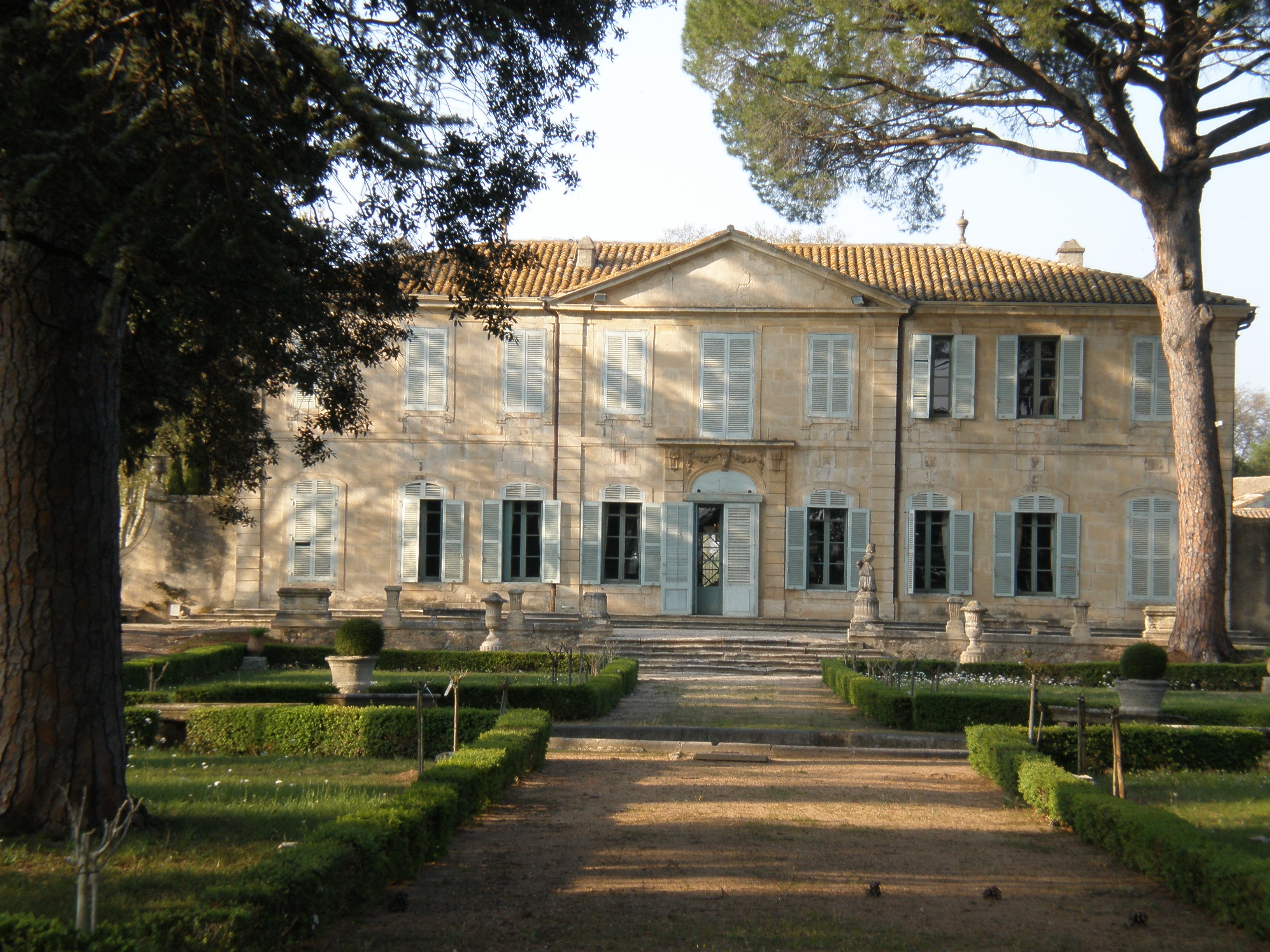
Built in 1715, the Château de la Mogère is a remarkable example of classical architecture in Montpellier.
Its perfectly symmetrical façade, tree-lined grounds, and richly decorated interiors reflect the refinement of the 18th century.
Stately reception rooms, carved fireplaces, and period furniture: here, every detail reflects the taste and elegance of an era focused on aesthetics and hospitality.
Château d’Ô
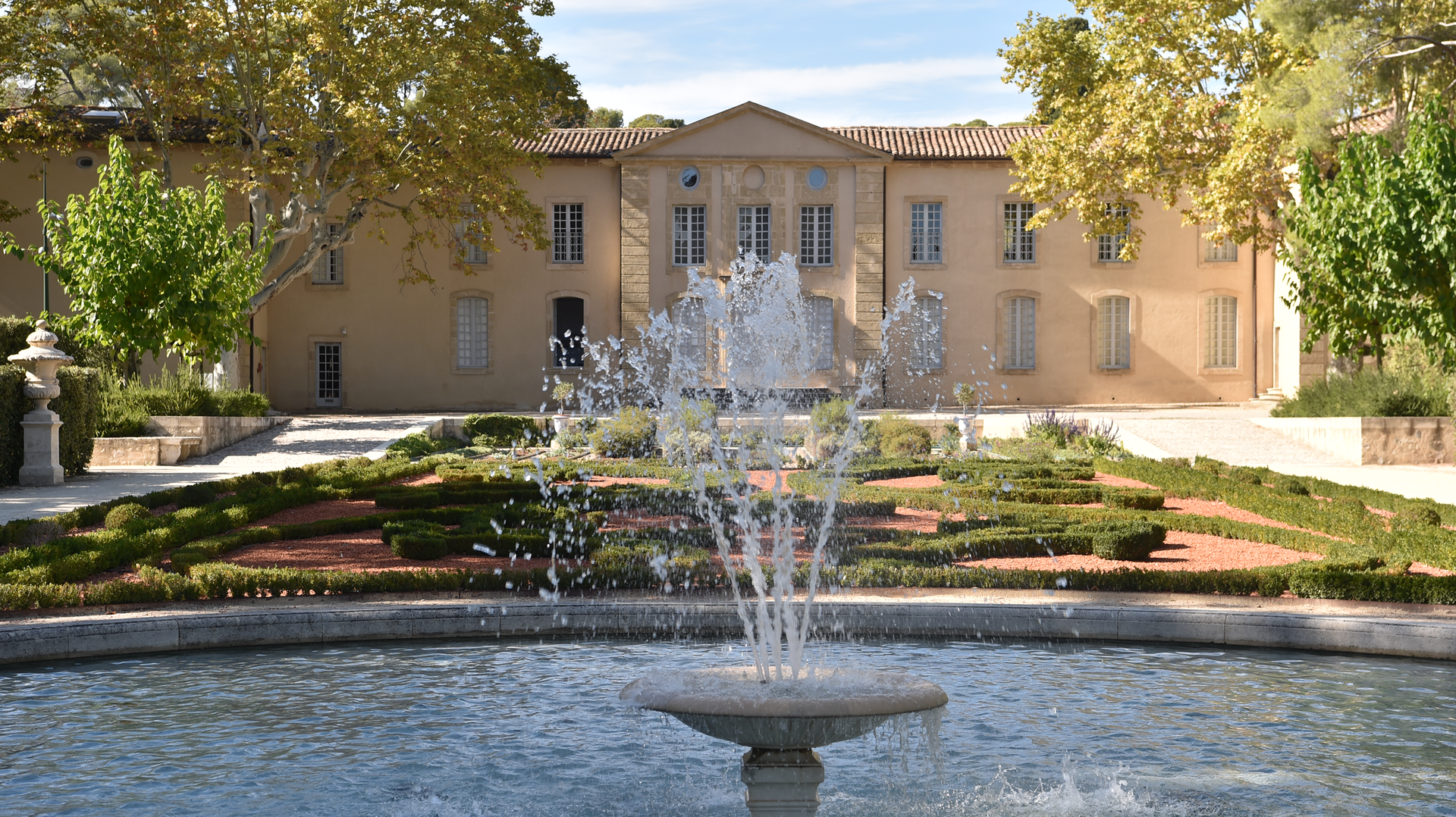
The Château d’Ô, built in the 18th century, stands out for its exceptional landscaped surroundings.
Now part of a vast departmental park, it retains its elegant architecture and its typical “folie” layout: set slightly back from the road, surrounded by nature, and designed as a place for strolling and hosting guests.
It embodies the cultural and vibrant spirit of these estates, which over time have become spaces open to the public.
Domaine de Méric
The Domaine de Méric has a unique artistic character.
Formerly owned by the family of painter Frédéric Bazille, it overlooks the Lez River and offers a landscape that inspired several Impressionist works.
More understated than some other “folies,” it charms visitors with its natural setting, its romantic park, and its close ties to Montpellier’s cultural history.
Château de la Piscine
More understated but just as stately, the Château de la Piscine embodies the understated elegance of 18th-century country estates.
Its balanced design and landscaped surroundings make it a classic example of these residences, built to combine privacy with grandeur.
A Heritage Unique in France
Montpellier’s “folies” constitute a rare architectural ensemble. Few French cities boast such a cohesive concentration of country estates dating from the same period.
They bear witness to:
The economic prosperity of 18th-century Montpellier
The region’s cultural and artistic influence
A way of life centered on hospitality, nature, and elegance
Even today, they shape the Montpellier landscape and contribute to its identity.
Between Memory and Landscape
Beyond their architecture, Montpellier’s folies tell the story of a special relationship between the city and the countryside.
Located on the outskirts of Montpellier, they once formed an aristocratic belt, connecting the urban environment with nature.
Shaded parks, cypress-lined avenues, ponds, and terraces still offer that sense of peaceful retreat, just a few minutes from the historic center.
These estates are not mere relics: they are living testaments to a century of elegance, when architecture was conceived as an art and the residence as a work of art.