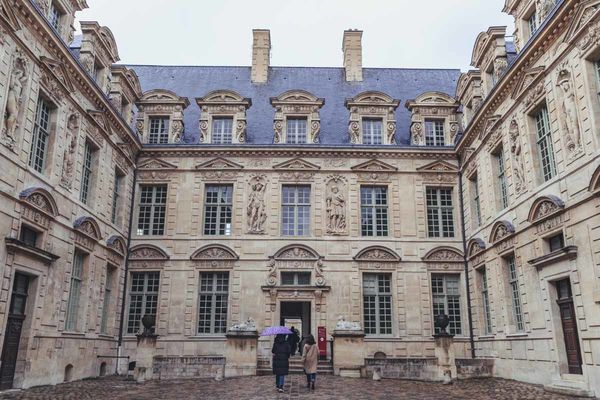
Buying a Listed or Protected Property: What You Need to Know Before Taking the Plunge
16.01.2026
Purchasing a Listed or Protected Property: Much More Than an Investment—It’s Building a Legacy
Purchasing a listed or protected property means entering a world where history, architecture, and contemporary life converge. These properties are not merely homes: they are places steeped in history, shaped by time and generations, where every stone and every architectural detail tells a story.
For investors and individuals seeking a historic home, an older apartment in the city center, or a home with character, it is essential not only to understand the regulatory framework but also to grasp the heritage and strategic dimensions of this type of acquisition. Here, it is not merely about rental returns, but about building, passing on, and enhancing a lasting legacy.
Understanding the Legal and Heritage Framework
Purchasing a property that is classified or located within a protected area requires compliance with a specific legal framework designed to preserve the architectural authenticity and historic character of the structure. Depending on the level of protection (classified or registered historic monument, remarkable heritage site, protected area), certain parts of the property are subject to oversight by the Architects of Buildings of France (ABF) or heritage authorities.
Key points to know:
Regulated Work:
Any modification visible from the outside (facade, roof, window and door frames, shutters, ironwork) must be approved. In some cases, interior work is also subject to these requirements, particularly when the property is classified as a historic monument.
Prior Authorization:
A preliminary declaration or a building permit is generally required before beginning any work, even for changes that may seem minor.
Respect for the building’s character:
The materials, colors, proportions, and restoration techniques must be consistent with the building’s original architecture and history.
These requirements may seem demanding, but they also serve as a genuine guarantee: they ensure the property’s longevity and contribute to its long-term value, particularly in the market for older and luxury real estate.
When Heritage Lies in the Details
One aspect that is often overlooked when purchasing an older property is the interior features that may be protected or designated as historic. It’s not just about facades or roofs. Architectural details such as:
molding, cornices, and wood paneling; period fireplaces; historic staircases and wrought-iron banisters; hardwood floors; French-style ceilings; and stained-glass windows. But also, ponds, fountains, rock gardens, water walls, gates, railings, and remarkable vases.
may be subject to strict preservation regulations. These elements, though sometimes unobtrusive, are what give the property its value and soul. Preserving them is essential, as they constitute a true heritage asset. When restored according to best practices, they enhance the home’s unique character and significantly contribute to its future value.
Tax Benefits You Should Know About
Purchasing a listed or protected property isn’t just a matter of aesthetics and history—it’s also a powerful wealth management and tax strategy, when done with the right guidance.
Deduction for Renovation Work:
Expenses related to the restoration of a historic monument may be fully deductible from property income—with no cap—and, in some cases, from total income.
Capital Gains Exemption:
Under certain conditions, the resale of a listed property may qualify for a partial or even total exemption from capital gains tax, particularly in cases of long-term ownership and compliance with preservation obligations.
Asset Appreciation:
A historic property restored in accordance with regulations naturally increases in value. Its unique character, often central or rare location, and the quality of its restoration make it a sought-after asset, less susceptible to fluctuations in the conventional real estate market.
Thus, investing in a listed property is not merely a rental or speculative venture, but rather a long-term strategy focused on building and passing on an exceptional legacy.
Preserving France’s Heritage: A Long-Term Commitment
Purchasing a protected property also means playing an active role in preserving France’s heritage. Restoration projects, such as those featured in Stéphane Bern’s show Ma maison, mon histoire on France 3, perfectly illustrate this approach. They show how owners breathe new life into historic homes while respecting their architecture, materials, and spirit.
These renovations not only help preserve remarkable buildings but also give them a new lease on life, adapted to contemporary uses while retaining their identity. Every successful restoration transforms an historic property into a living part of our heritage, passed on to future generations.
A Unique Investment, Beyond Rental Yield
Unlike traditional real estate, a listed or protected property is not simply a matter of calculating rental profitability. Above all, it is a meaningful investment that combines enjoyment, history, and wealth management strategy.
Historic houses, period apartments, and homes with character offer an unparalleled living experience: spacious interiors, natural light, fine materials, and a unique atmosphere.
Working with a professional who specializes in listed properties allows you to turn challenges into real advantages: securing the purchase, anticipating regulatory requirements, optimizing renovations, and maximizing tax benefits.
In Conclusion
Investing in a listed or protected property means combining a passion for heritage, the charm of historic architecture, and a long-term approach to asset management. Restoring these unique buildings means actively contributing to the preservation of French heritage, while benefiting from favorable tax treatment and sustainable appreciation.
Combining architecture, history, and legacy, these properties offer much more than just a place to live: they are works of art in their own right, meaningful living spaces that continue to inspire enthusiasts of luxury real estate and heritage.