Les Beaux-Arts à Montpellier : l’esprit village au cœur de Montpellier
17.10.2026
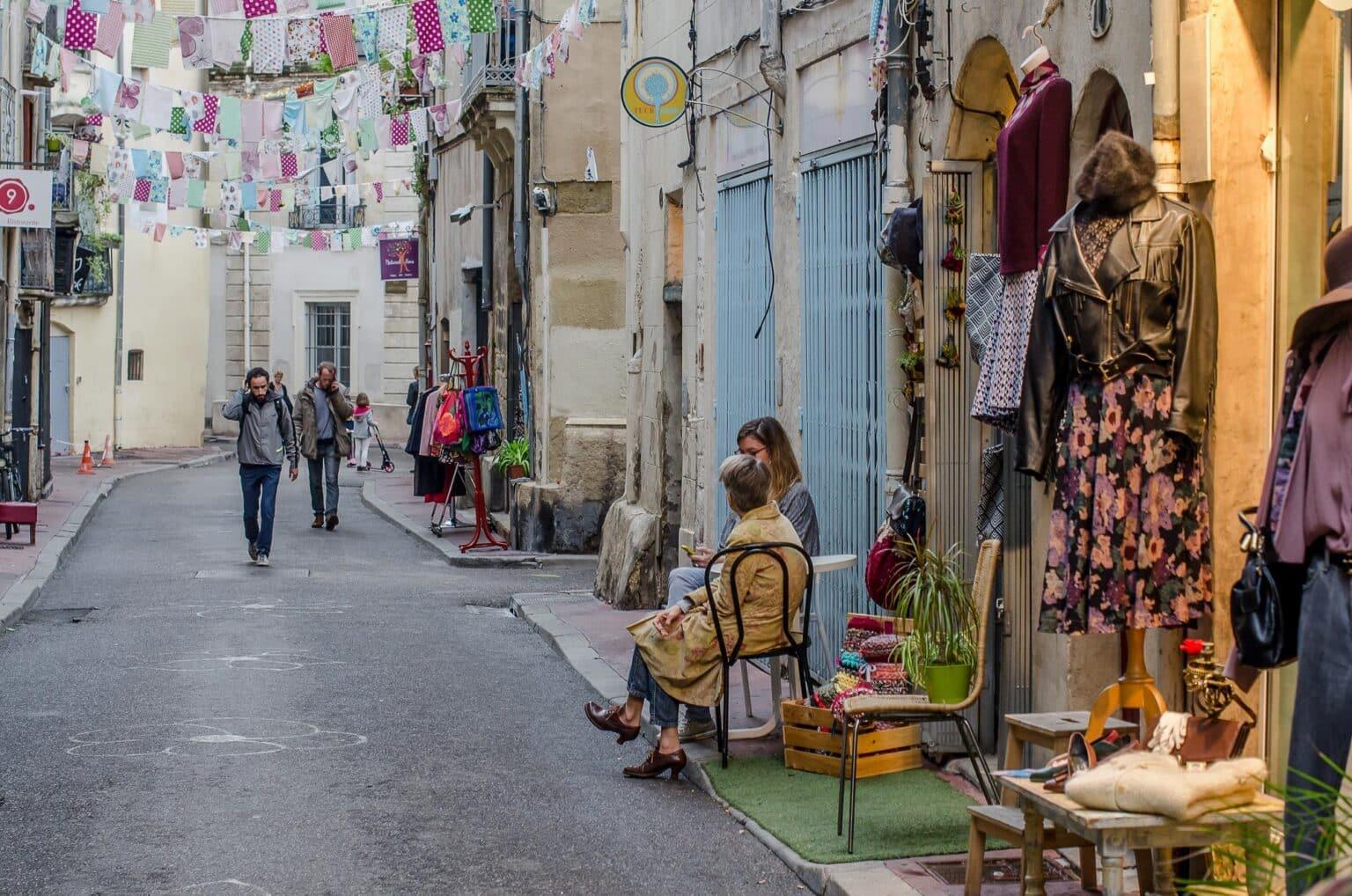
Just a few steps away from the hustle and bustle of Montpellier’s historic centre, the city reveals another side of itself. In Les Beaux-Arts, terraces come alive beneath hackberry trees, local shops shape everyday life, and the streets invite you to slow down. Here, the city seems to take on a different rhythm, more intimate, almost familiar.
Known for its bohemian atmosphere and distinctive identity, the Les Beaux-Arts neighbourhood strikes a rare balance between urban living and village charm. Behind this Mediterranean lifestyle lies a rich history, shaped by artisanal activities, working-class life and the successive transformations of Montpellier.
Today, the neighbourhood appeals as much for its quality of life as for its architectural diversity and the character of its property market. A unique address for those seeking a different way of experiencing Montpellier.
Les Beaux-Arts, a History of Craftsmanship and Working-Class Heritage
Long before becoming one of Montpellier’s most sought-after neighbourhoods, Les Beaux-Arts was shaped by the artisanal and commercial activities that developed on the outskirts of the historic city.
The Verdanson, a stream bordering the area and marking part of the transition towards the Écusson, played an important role in this history. Its banks were once home to potters, tanners and other trades associated with working with materials. These activities helped shape the identity of this former suburb, traces of which can still be found in the urban landscape.
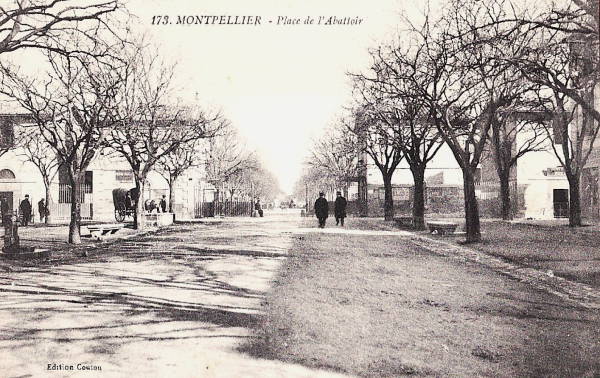
In the 19th century, the neighbourhood took on a new dimension with the opening of the municipal slaughterhouses in 1851. For more than a century, this site served as a major hub of activity, contributing to the daily lives of many residents. A vibrant working-class community developed around it, shaped by work, local businesses and a strong sense of solidarity.
The permanent closure of the slaughterhouses on 31 December 1984 marked a turning point. The neighbourhood began a profound transformation, with the redevelopment of former industrial spaces and the emergence of new housing and places to live.
Today's Les Beaux-Arts is therefore the result of several layers of history. An artisanal and working-class past, gradual urban development and a contemporary identity that has managed to preserve a genuine sense of community.
Architecture with Many Faces
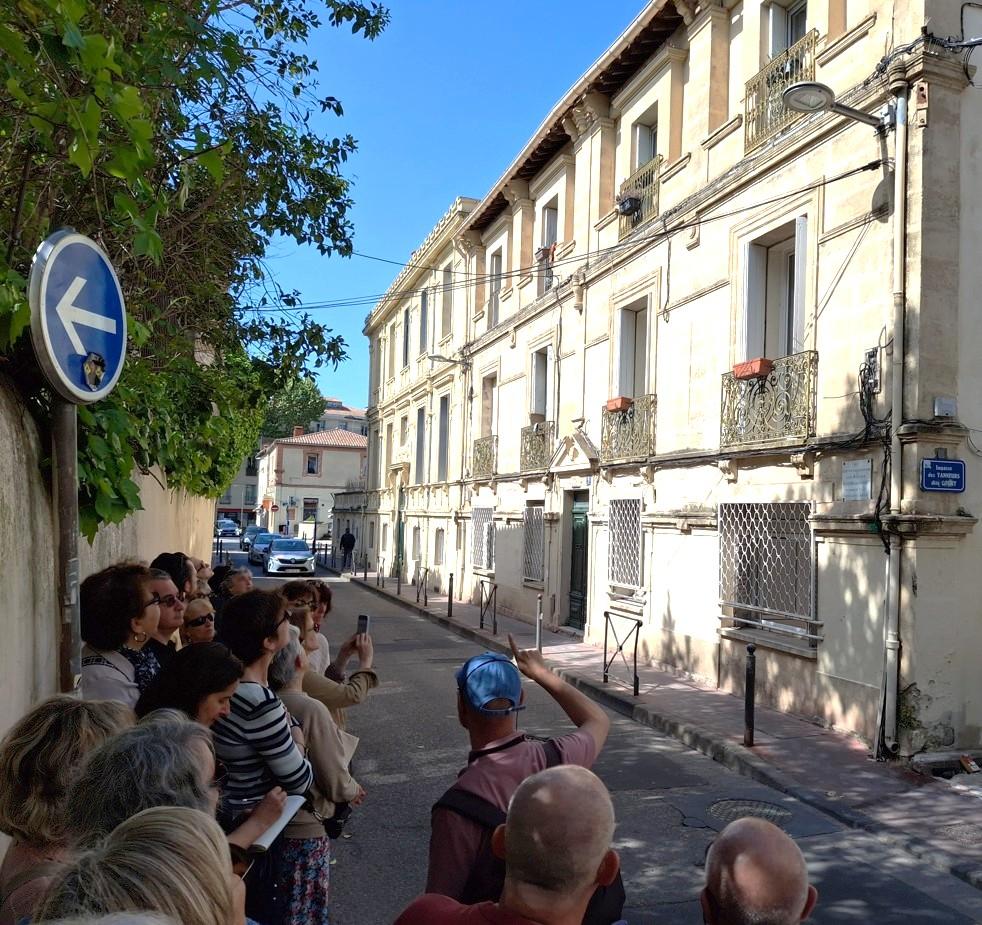
Walking through Les Beaux-Arts reveals an architectural landscape that is more varied than it might first appear. The neighbourhood is far more than a collection of historic façades: its streets and buildings tell the story of Montpellier’s evolution over time.
Townhouses sit alongside traditional suburban buildings, early 20th-century constructions and more recent residential developments. Some façades still reflect the area's artisanal past, while others bear witness to the urban transformations that followed the closure of the former slaughterhouses.
This architectural diversity gives the neighbourhood a distinctive scale and atmosphere. Its streets often feel more secluded than the main thoroughfares of the city centre, while tree-lined squares offer moments of calm within the urban landscape.
For lovers of character properties, this setting holds particular appeal. Depending on the property, its charm may lie in an historic façade, an unusual layout, a balcony, an inner courtyard or even a townhouse tucked away behind a lively street.
In Les Beaux-Arts, a property's character is defined as much by its own features as by its place within a vibrant neighbourhood, where architecture continues to reflect the history of everyday life.
Place des Beaux-Arts, the Neighbourhood's Beating Heart
If there is one place that best captures the identity of Les Beaux-Arts, it is undoubtedly the square that bears its name.
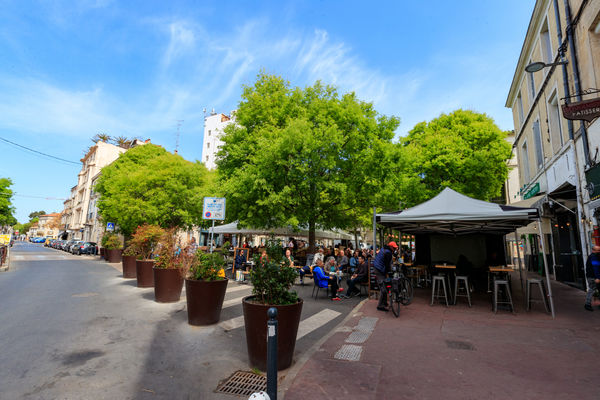
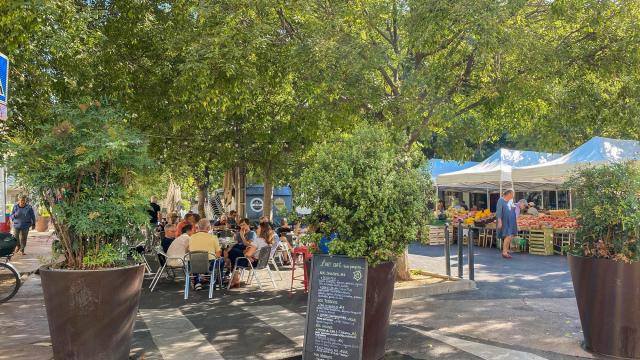
Beneath the shade of the hackberry trees, terraces become meeting places and the market brings life to the neighbourhood. From Monday to Saturday morning, market stalls and local shops create a welcoming atmosphere, where everyday routines and familiar faces shape the rhythm of life.
The charm of Les Beaux-Arts lies precisely in this sense of community. Residents can enjoy a coffee, pick up their groceries, meet friends or simply walk across the square without feeling that they are in a purely residential neighbourhood.
Independent shops, cafés and restaurants all contribute to this distinctive identity. They maintain a lively atmosphere driven not only by visitors passing through, but also by the daily habits of local residents.
The neighbourhood also has a strong cultural dimension. The presence of Montpellier's École supérieure des beaux-arts and various creative spaces contributes to its artistic and open-minded character.
This combination of market life, culture and conviviality explains why Les Beaux-Arts is often described as a village within the city. An expression that reflects not so much a sense of isolation, but rather a distinctive way of experiencing Montpellier.
Living in Les Beaux-Arts: A Balance Between Vibrancy and Tranquillity
Choosing Les Beaux-Arts means embracing a lifestyle where many everyday amenities are within walking distance, without sacrificing the energy of Montpellier's city centre.
Its proximity to the Écusson makes it easy to reach the main shopping streets and iconic landmarks of the historic centre. The Corum area and public transport connections also provide convenient access to the city's other neighbourhoods.
Yet the appeal of Les Beaux-Arts goes beyond its location. Its identity is rooted in a distinctive atmosphere: a strong sense of community, places where people can take their time and a lively environment that varies from one street to another and throughout the day.
The neighbourhood can therefore appeal to a wide range of residents. Professionals appreciate being able to reach the city centre without relying systematically on a car. Students benefit from nearby facilities and cultural life. Couples and families may, depending on their lifestyle and the area they choose, seek a lively environment while retaining a sense of residential tranquillity.
As with any urban neighbourhood, however, the experience can vary considerably from one property to another. Orientation, floor level, insulation and proximity to terraces or busy streets are all important factors to consider when planning a property purchase or rental.
The Property Market in Les Beaux-Arts: The Charm of Diversity
The property market in Les Beaux-Arts stands out for the variety of homes available. Apartments in historic buildings, renovated properties, more contemporary residences and townhouses make up a residential landscape that reflects the neighbourhood's history.
Some properties appeal through their period features and generous proportions. Others favour more recent layouts, outdoor spaces or amenities suited to modern lifestyles. This diversity makes the neighbourhood attractive for a range of projects, whether a primary residence, a Montpellier pied-à-terre or a rental investment.
However, the charm of an address alone is not enough to determine whether a property is the right investment. The overall condition of the property, potential renovation work, condominium fees, energy performance and the characteristics of the building all deserve careful consideration.
In Les Beaux-Arts, the street and immediate surroundings also play an important role. Two apartments with similar floor areas can offer very different living experiences depending on their location, natural light, tranquillity or proximity to the square and local shops.
The scarcity of certain properties, particularly townhouses and homes with outdoor spaces, can further enhance their appeal. For buyers, the challenge is therefore to find the right balance between architectural character, everyday comfort and the overall coherence of their property project.
Les Beaux-Arts, a Neighbourhood That Has Preserved Its Identity
Les Beaux-Arts is neither a mere extension of the Écusson nor just another residential neighbourhood. Its identity has been shaped over time by artisanal activities, working-class heritage, urban transformations and the arrival of new cultural influences.
This history remains visible in the diversity of its architecture, its human-scale streets and the lively atmosphere of its central square. The neighbourhood has evolved, yet it retains a character of its own, defined by a sense of community, movement and conviviality.
For those looking to experience Montpellier differently, Les Beaux-Arts offers an appealing alternative: a lively neighbourhood that is not defined solely by its tourist appeal, where everyday routines can be enjoyed while remaining close to the historic centre.
A place where real estate is not simply about an address or square footage, but contributes to a genuine way of living in the city.