
23.01.2024
27.10.2025
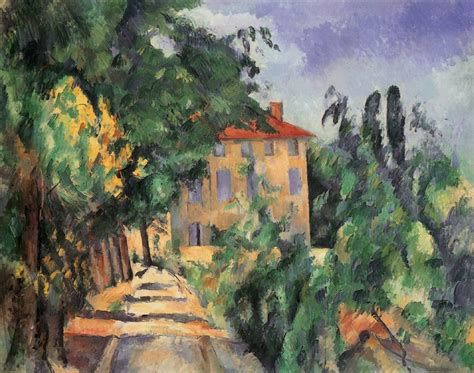
In 2025, Aix-en-Provence honored Paul Cézanne with a major exhibition at the Musée Granet: “Cézanne at Jas de Bouffan.”
More than just a retrospective, this exhibition offers an immersion into the artist’s private world, set within the family country house where he lived and worked for nearly forty years.
Visitors discover not only his works but also his creative process, inspired by his architectural and natural surroundings and by the unique light of Provence—a light that any lover of Provençal real estate knows so well how to appreciate.
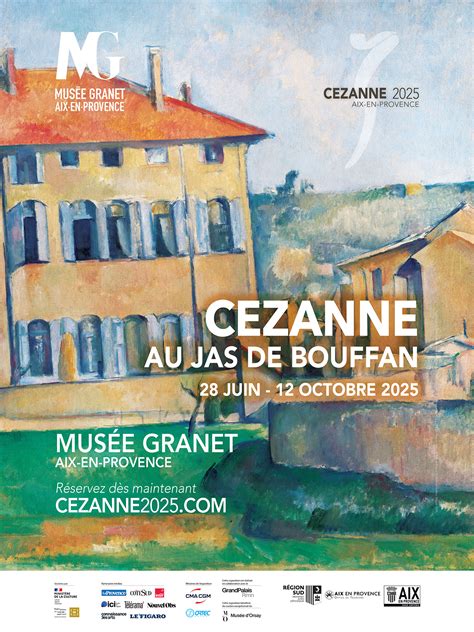
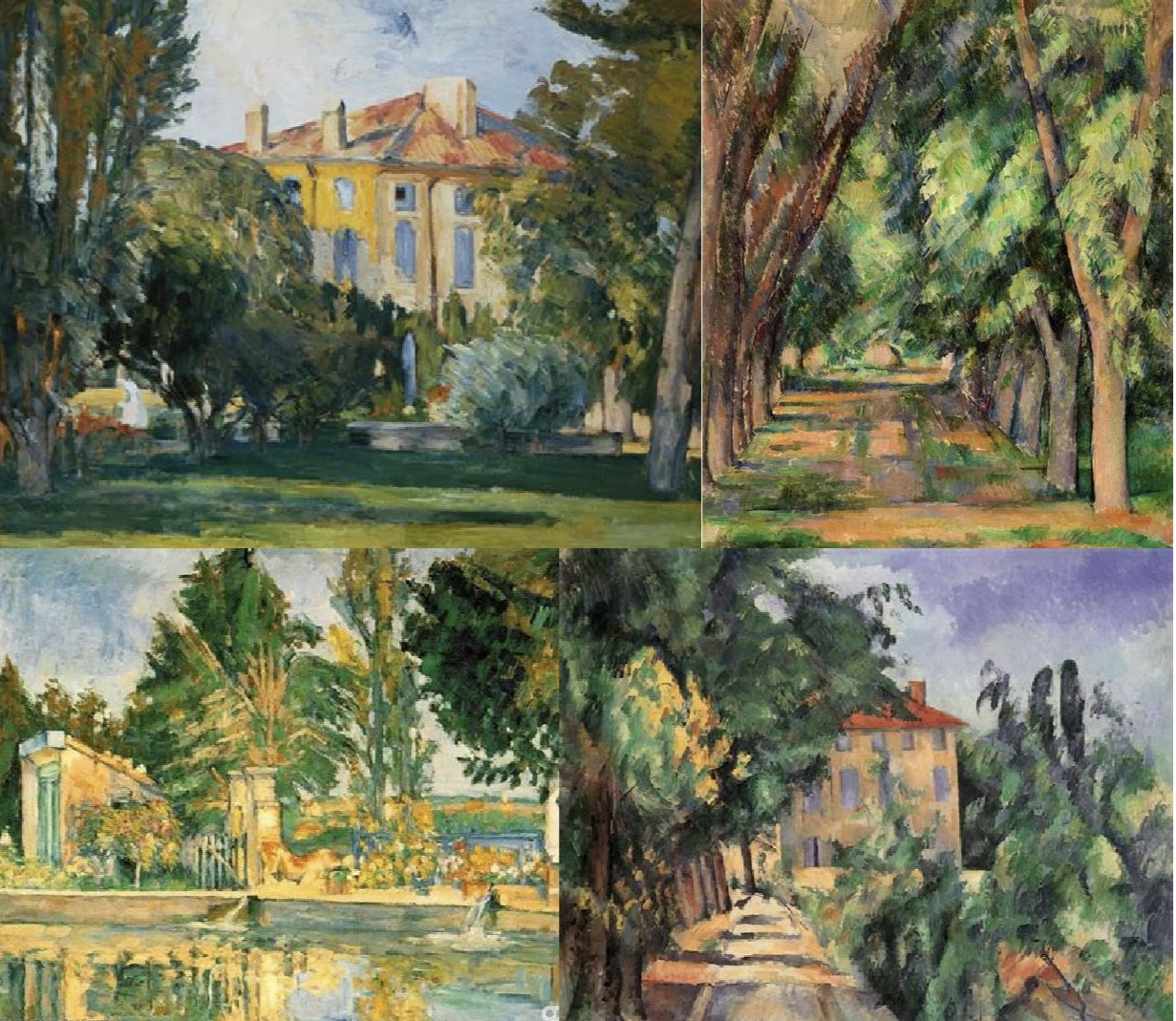
Acquired in 1859 by the Cézanne family, the Jas de Bouffan country estate takes center stage in the exhibition.
Its ponds, gardens, tree-lined paths, and ochre-colored facades nurtured the painter’s sensibility.
This setting, typical of the exceptional estates of Aix-en-Provence, already reflects a way of life that can still be found today in prestigious Provençal homes: harmony with nature, balance of volumes, and the importance of light.
Le Jas de Bouffan thus became a veritable artistic laboratory. There, Cézanne experimented with color and composition, first painting on the walls of the grand salon before depicting his loved ones, his estate, and the local peasants.
It was here that the “father of modern art” discovered himself as an artist—and where a strong connection between art, space, and architecture was already taking shape.
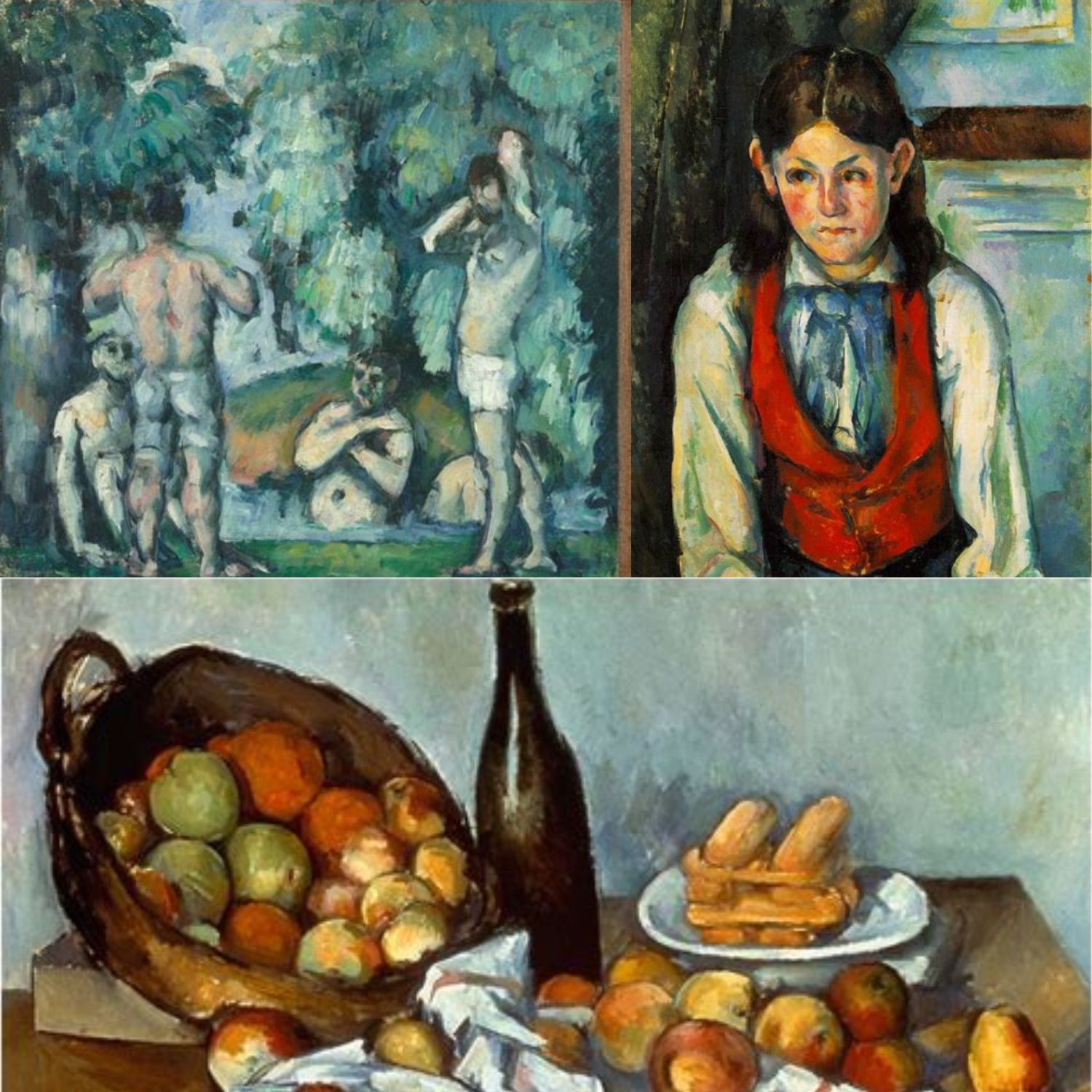
The exhibition brings together more than 130 works from French and international collections. This overview allows visitors to follow Cézanne’s creative journey step by step:
• Portraits and self-portraits: Among them, Self-Portrait in a Red Waistcoat illustrates his mastery of volume and the interplay of light, which is almost architectural.
• Bathers: In works such as The Bathers (circa 1890–1895), Cézanne explores the balance between the human body and nature, foreshadowing Cubism.
• Still lifes: Apples and Oranges and Still Life with Cherries and Peaches elevate the ordinary. Each object becomes a building block, almost an interior architectural composition.
• Landscapes of Jas de Bouffan and Sainte-Victoire: In Montagne Sainte-Victoire vue des Lauves, one senses his deep attachment to his native land and the landscapes of Provence, which are still sought after today for their exceptional real estate.
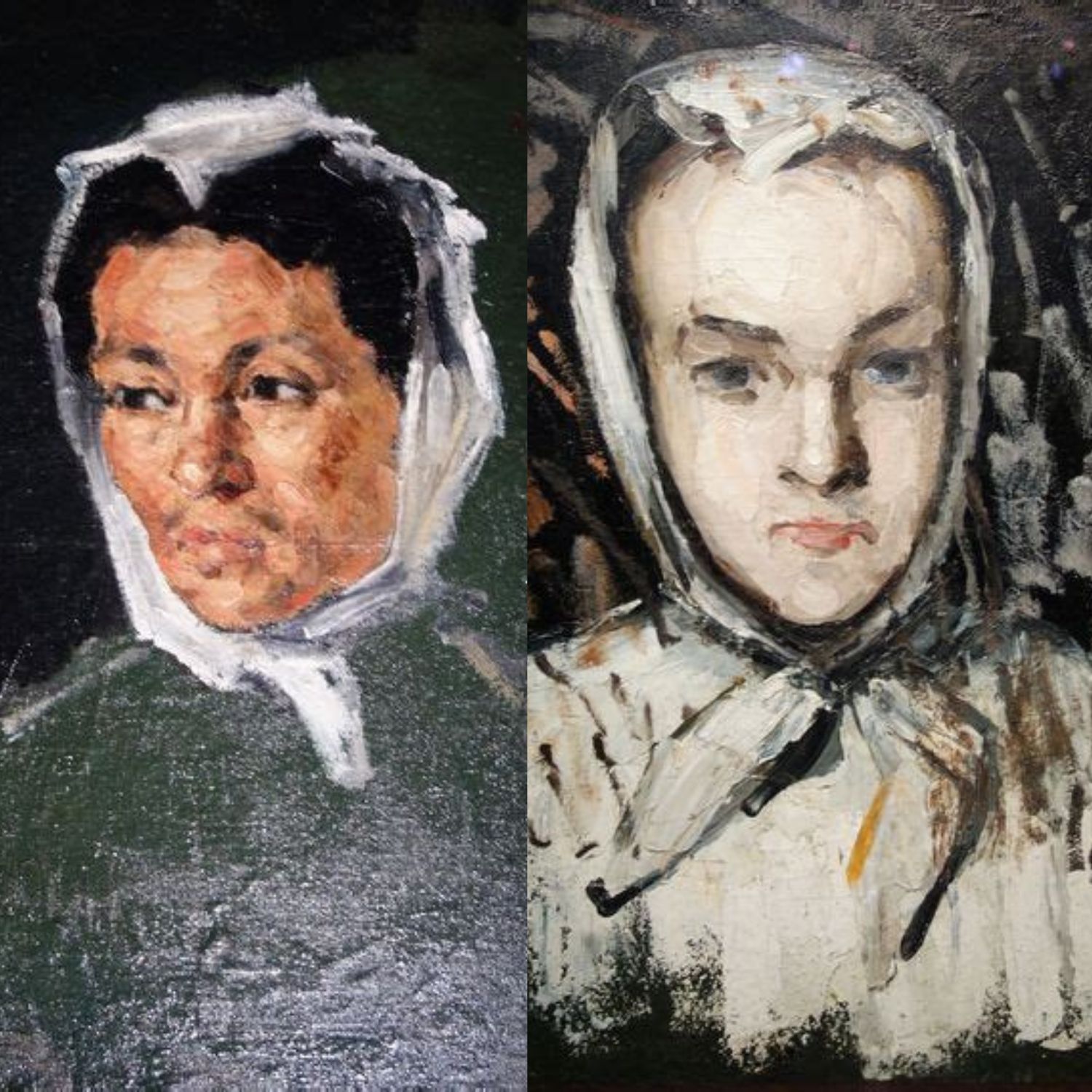
Among the most distinctive works, the double portrait of Cézanne’s mother and sister stands out.
Two faces, two gazes, painted on a single canvas—a choice that is both practical and symbolic, revealing the importance of the family circle and the home as a space of emotion and memory.
This duality—between youth and maturity, light and inner life—resonates as a metaphor for the duality between intimacy and lived space, so central to the design of Mediterranean homes.
The murals at Jas de Bouffan, inspired by mythology, reveal the tension between academic training and free experimentation.
The depiction of the Lauves studio, the painter’s final workplace, immerses us in his daily life: objects, furniture, light… everything evokes an artist’s home where every space becomes an extension of creative thought.
The exhibition did more than just show; it evoked emotion.
Through an immersive exhibition design, visitors rediscover the connection between architecture, art, and light.
The Jas de Bouffan emerges as a character in its own right, a living space where the structure of the Provençal house influences the pictorial composition.
This relationship to space, so dear to Cézanne, still resonates today in interior design trends and high-end real estate in Aix-en-Provence.
The exhibition demonstrated just how much Cézanne paved the way for modernity.
His ambition to “paint like Poussin from life” reflects his search for order and structure—a quest for balance that can be found in contemporary architecture as well as in the architect-designed villas of the region.
The Provençal landscapes and houses he painted continue to inspire architects and luxury real estate enthusiasts today, who appreciate the beauty of stone, volume, and perspective.
It revealed the private world of a genius and highlighted a unique architectural and landscape heritage, symbolic of the Provençal way of life found in the most beautiful homes of Aix-en-Provence.
An experience not to be missed for all lovers of art, culture, and beautiful Mediterranean homes.
Styles's journal
23.01.2024

17.12.2021
2021 Holiday Styles
06.04.2022
The year 2022 for Styles is off to a great start. Indeed, exciting projects are constantly being developed within our company.